
Vinyasa Yoga Teacher Training
A comprehensive training for those who want to learn to teach yoga, deepen their understanding of the practice, or both.
Over 200 hours, we’ll explore the practical skills of teaching alongside anatomy, philosophy, breath, sequencing and the wider practice of yoga — with plenty of time to practice, question, experiment and find your own way of teaching.
March 2027 – October 2027
Paris + one-week immersion in Normandy
200 hours
Taught in English, with discussion and support in French
Next 200h training: October 2027
200-hour training · 2,350€ · + 485€ accommodation & meals for the Normandy immersion
Full pricing information at the bottom of the page.
THE SPACE ACADEMY
More than learning a sequence
Learning to teach yoga is about much more than learning poses or memorising a sequence. Throughout the training, we explore how to build and teach a complete class: how to observe, communicate clearly, sequence with intention and adapt what you teach to the people in front of you.
We’ll study anatomy, philosophy, breath and the wider traditions of yoga alongside practical teaching skills. You’ll practice what you’re learning throughout the course, with time to experiment, ask questions, receive feedback and gradually develop your own way of teaching.
The aim isn’t to create teachers who all teach in the same way. It’s to give you a strong foundation, practical tools and enough understanding to make thoughtful choices in your own teaching.
25%
Practice & techniques
Asana, pranayama, meditation, posture exploration and adaptations, with time for your own practice.
25%
Teaching methodology & practice
Cueing, communication, observation, adapting to students, teaching practice and individual feedback.
15%
Sequencing & class planning
Building complete classes, transitions, timing and learning to create and practice coherent class plans.
25%
Anatomy & movement
Functional anatomy, movement, breath, somatic awareness and understanding individual variation.
10%
Yoga philosophy & history
Yoga’s history and context, foundational texts, philosophy and ethics, explored in relation to contemporary practice.
Asana Lab
Explore the different families of postures in detail, looking at how they work in different bodies rather than searching for one “correct” alignment. We’ll look at the function of a posture — what we’re actually trying to explore or experience — and the difference between how a pose looks from the outside and how it feels from within.
Through practice and observation, we’ll explore sensation versus external expression, variations, the use of props, transitions and different ways of approaching and teaching each posture.
Pedagogy
Learn how to turn what you know into a class that feels clear, coherent and genuinely your own. We’ll explore sequencing and complete class planning, cueing and communication, transitions, timing, demonstration and group management, alongside plenty of teaching practice.
You’ll be encouraged to experiment, be creative and find an authentic way of teaching, rather than copying someone else’s voice or following a fixed formula. Through practice, observation and feedback, you’ll learn to make thoughtful choices, respond to the people in front of you and gradually develop your own approach as a teacher.
Yoga Philosophy & History
Explore yoga beyond the physical practice, looking at its history, evolution and philosophical foundations. We’ll study key ideas from the Yoga Sutras, including the Yamas and Niyamas, and explore how these teachings can be understood and questioned within the context of contemporary life.
Rather than treating philosophy as something separate from teaching, we’ll consider how it can inform the way we practice, the way we teach and the relationships we create with our students, while respecting the wider history and roots of the practice.
Adjustments
Explore different approaches to adjustment, from verbal guidance and demonstration to the considered use of physical touch. We’ll look at how to observe before intervening, how to communicate clearly and ask for consent, and how an adjustment can support a student without trying to make their posture look a particular way.
Through practical workshops, you’ll practice different adjustment techniques while developing the confidence to recognise when an adjustment may be useful — and when doing nothing may be the better choice.
Pranayama & Breath
Explore the breath both anatomically and through the practice of pranayama. We’ll look at the mechanics of breathing and how the breath moves through the body, before exploring a range of traditional breathing practices and how they can be introduced and guided within a yoga class.
Alongside learning the techniques themselves, we’ll consider when and why we might use them, how different people may experience breath practices differently, and how to teach them with clarity, choice and sensitivity.
Anatomy & Movement
Develop a practical understanding of anatomy and how the body moves, with a focus on the musculoskeletal system, spine, nervous system and cardiovascular system. We’ll explore functional anatomy, biomechanics and movement analysis, always bringing what we learn back to yoga and the body in practice.
Rather than simply memorising anatomical terms, you’ll learn to observe movement, understand why bodies move differently, and use that knowledge to make more informed choices in your own practice and teaching.
Inclusion & Adaptation
Learn to teach the person in front of you, rather than an idea of what a posture should look like. We’ll explore variations, the use of props and different ways of adapting a practice to individual bodies, experience, mobility and needs.
We’ll also explore neurodivergence, the foundations of trauma-informed teaching, common injuries and contraindications, and how these considerations can influence the way we communicate, cue and structure a class. The aim is to give you practical tools to create a more accessible and supportive environment, without assuming that one alignment, teaching style or approach will work for everyone — and while recognising the boundaries of your role as a yoga teacher.
Practice & Mentoring
You’ll start practicing teaching from the very beginning of the training, gradually putting what you’re learning into practice rather than waiting until the end to teach. Through regular teaching exercises, observation and both individual and group feedback, you’ll have time to experiment, make mistakes, ask questions and develop with support.
You’ll also have a mentor throughout the training, giving you someone to turn to as your teaching develops. The focus isn’t on becoming a “perfect” teacher, but on building experience over time, learning from each other and gradually feeling more at ease in your own way of teaching.
ADDITIONAL MODULES INCLUDED
More to support you as a teacher
Alongside the core programme, you’ll also have additional sessions designed to broaden your knowledge and support you as you begin teaching.
Building your yoga-teaching business
The practical foundations of setting yourself up and beginning to work as a yoga teacher.
Introduction to Yin Yoga
An introduction to the principles and practice of Yin Yoga.
Introduction to pre & postnatal yoga
An introduction to some of the key considerations when teaching during pregnancy and after birth.
Live Q&A with the training team
Dedicated time throughout the training to ask questions, revisit subjects and explore what is coming up as your teaching develops.
HOW THE TRAINING WORKS
A training designed to unfold over time
The training takes place over several months, giving you time to learn, practice, teach and integrate what you’re discovering between each module. Alongside our weekends together in Paris, you’ll continue learning through personal study, observation, teaching practice and mentoring, before coming together for an immersive week in Normandy.
_____
Paris weekends
In-person training weekends at The Space in Paris, combining theory, practice, workshops and teaching exercises.
_____
Normandy immersion
A residential week at The Retreat Space, giving us time to practice, study and teach together away from everyday life.
_____
Between modules
Time to practice and study between weekends, prepare class plans and work with the digital resources provided throughout the training.
_____
Observe real classes
Observe classes at The Space and explore how experienced teachers structure, adapt and communicate within a real group setting.
_____
Mentoring & support
Individual pedagogical support alongside your mentor, with opportunities to ask questions, receive feedback and develop your teaching over time.
_____
Assessment & certification
Your progress is assessed throughout the course through practical work, teaching and a final evaluation at the end of the training.
2027 Session
PARIS TRAINING WEEKENDS
5 (evening)–7 March 2027 · 10-11 April 2027 · 1–2 May 2027
22-23 May 2027 · 3-4 July 2027 · 24-25 July 2027 · 4-5 September 2027 · 2-3 October 2027 · 29–31 October 2027
The Space — Belleville
68 Rue Julien Lacroix, 75020 Paris
NORMANDY IMMERSION
7–13 June 2027
Arrivals between 16h and 18h
Departures before 12h
The Retreat Space
Gathemo, Normandy
THE SPACE APPROACH
More than a training course
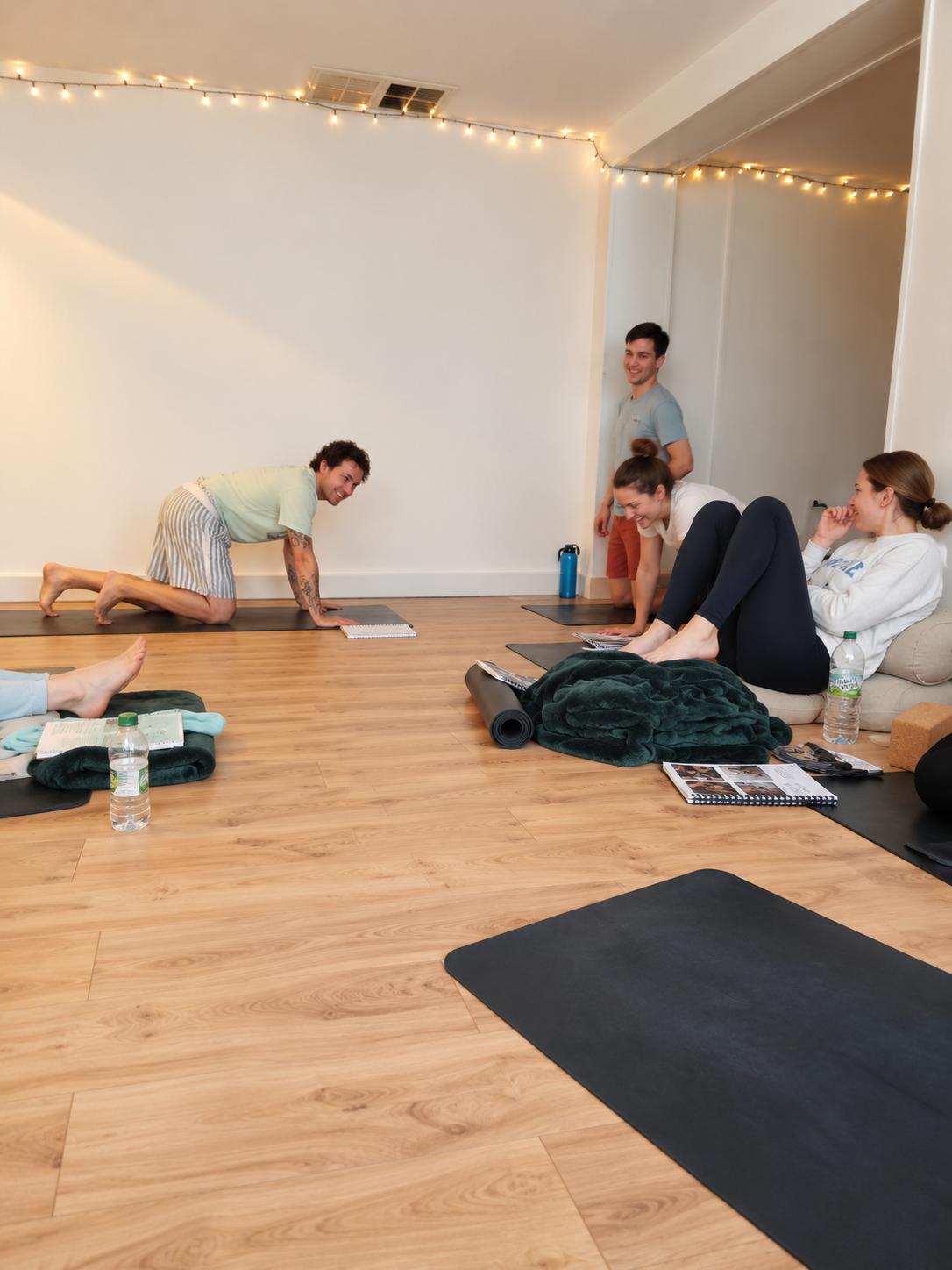
We want you to have the time and space to actually become a teacher through experience, not simply complete 200 hours of training. That means teaching from the beginning, having someone to turn to when questions come up, observing real classes and having space to practice outside the training weekends.
It also means learning alongside a small group of people (maximum of 12) who get to know one another over several months — sharing the questions, nerves, experiments and small breakthroughs that are part of learning to teach.
Teaching from the beginning
You’ll start practicing teaching from the first weekend, building experience gradually throughout the course.
Your own mentor
Each trainee has a mentor to turn to for questions, feedback and support as their teaching develops.
Space to practice
You can use the studios outside training hours to practice teaching with fellow trainees, friends or family.
Real-class experience
Observe classes at The Space during your training, with opportunities to teach real studio classes after certification.
A community throughout the course
Each group has its own WhatsApp space to share questions, resources and support between training weekends.
NORMANDY IMMERSION
A week to step away and go deeper
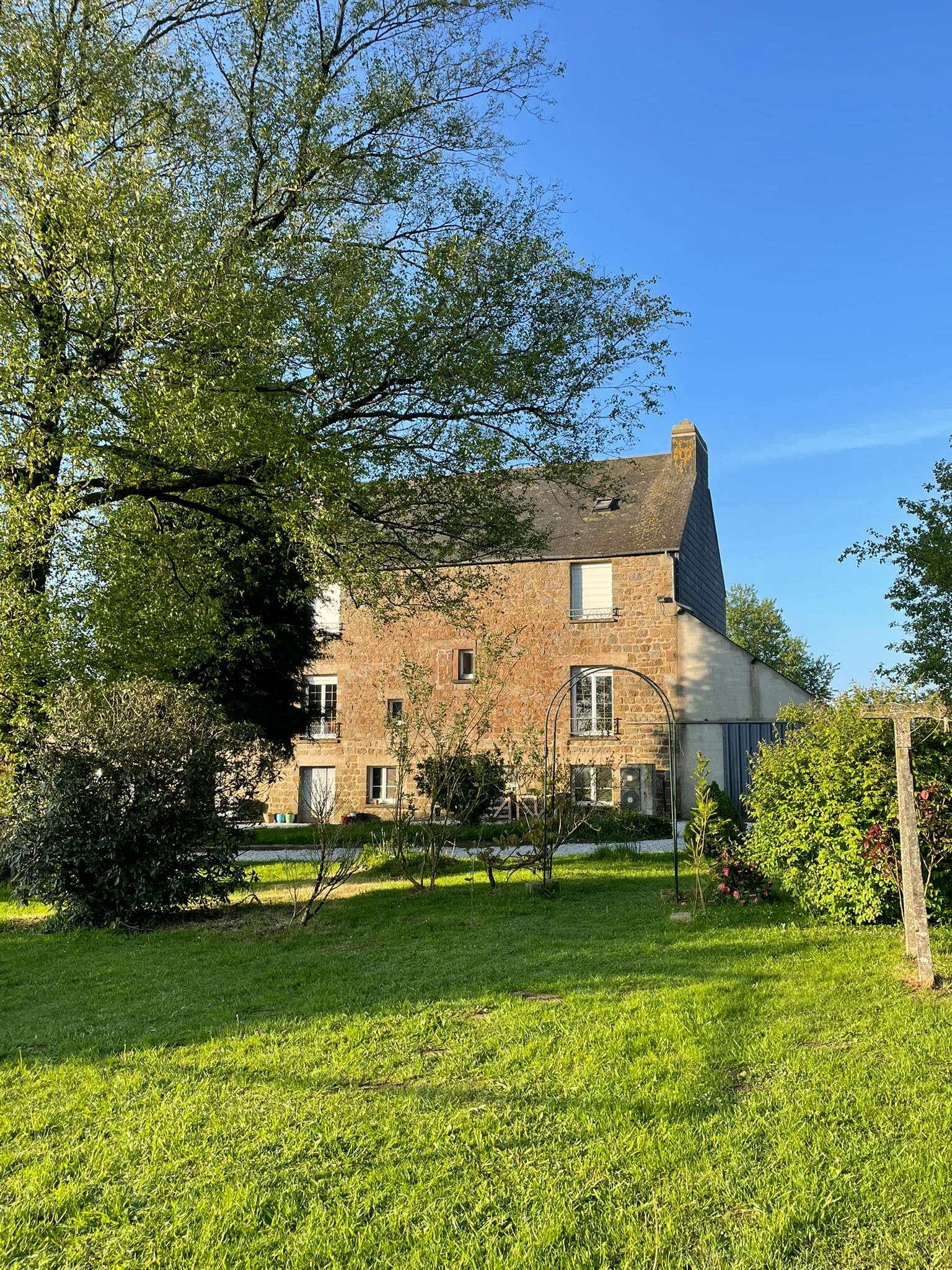
The residential immersion is often where something shifts. After months of learning together in Paris, we leave the usual rhythm behind and spend a full week living, practicing and learning together in the Normandy countryside.
Having that time changes the way we work. There’s space to teach again and again, to try things that feel uncomfortable, to get feedback and come back the next day and try differently. It’s often here that some of the biggest breakthroughs in teaching happen — not because we’re rushing towards a result, but because there is finally enough time and space for things to settle.
But the week is about much more than the hours we spend training.
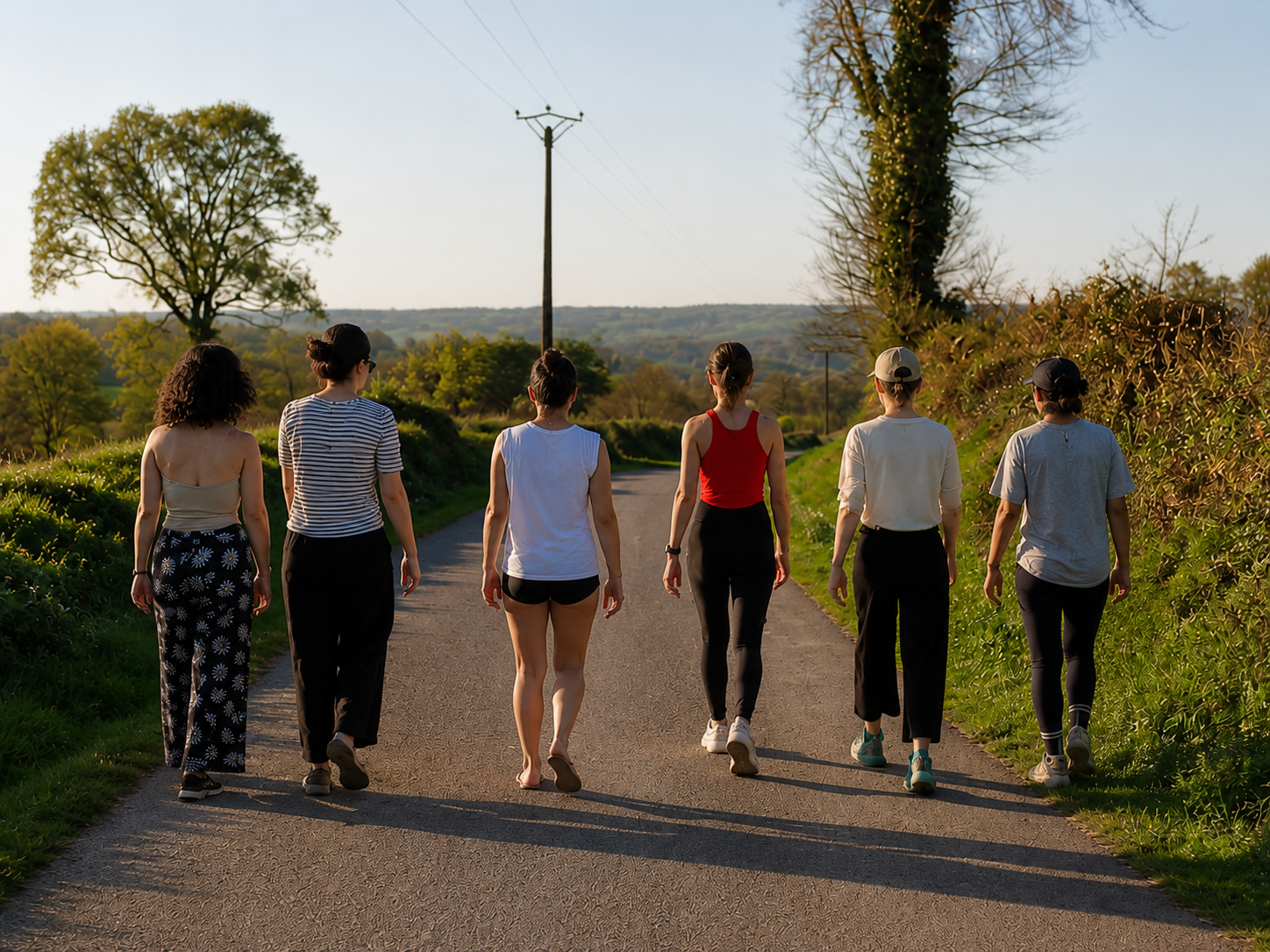
We share home-cooked meals around the table, sit by the fire in the evenings, gather around the fire pit outside, look up at skies where you can actually see the stars, walk in the countryside and spend much more time in nature. There are conversations that continue long after a training session has finished, and quiet moments when everyone can retreat and rest.
It’s also where the group tends to become much closer. Living together for a week creates a different kind of connection — through the practice, but also through cooking, eating, laughing, talking and simply sharing everyday life.
You leave with more experience as a teacher, but also with the feeling of having shared something quite special together.
WHO THIS TRAINING IS FOR
You don’t have to know exactly where it will take you
Some people begin teacher training knowing they want to teach. Others come because they want to understand their own practice more deeply, spend time immersed in yoga, or explore something they’ve become increasingly curious about.
You don’t need to arrive with a particular type of practice, advanced postures or a clear idea of the teacher you might become. What matters more is curiosity, a willingness to learn and an openness to practicing in different ways.
Over the months we spend together, you’ll have time to discover what interests you, what challenges you and what kind of relationship you want to have with teaching. And if teaching isn’t ultimately where the training takes you, the course can still be a way to deepen your understanding of yoga and your own practice.
PREREQUISITES
What you need before you begin
You don’t need to be able to perform advanced postures, have a particular body type or practice a specific style of yoga to join the training.
We do ask that you have a regular yoga practice and some experience of Vinyasa Yoga before the course begins. This gives you a foundation to work from as we start exploring postures, movement, sequencing and teaching in more detail.
More important than how your practice looks is your willingness to practice regularly, participate fully, stay curious and make time for the work between training modules.
If you’re unsure whether your current experience is enough, you can get in touch with us before enrolling and we can talk it through together.
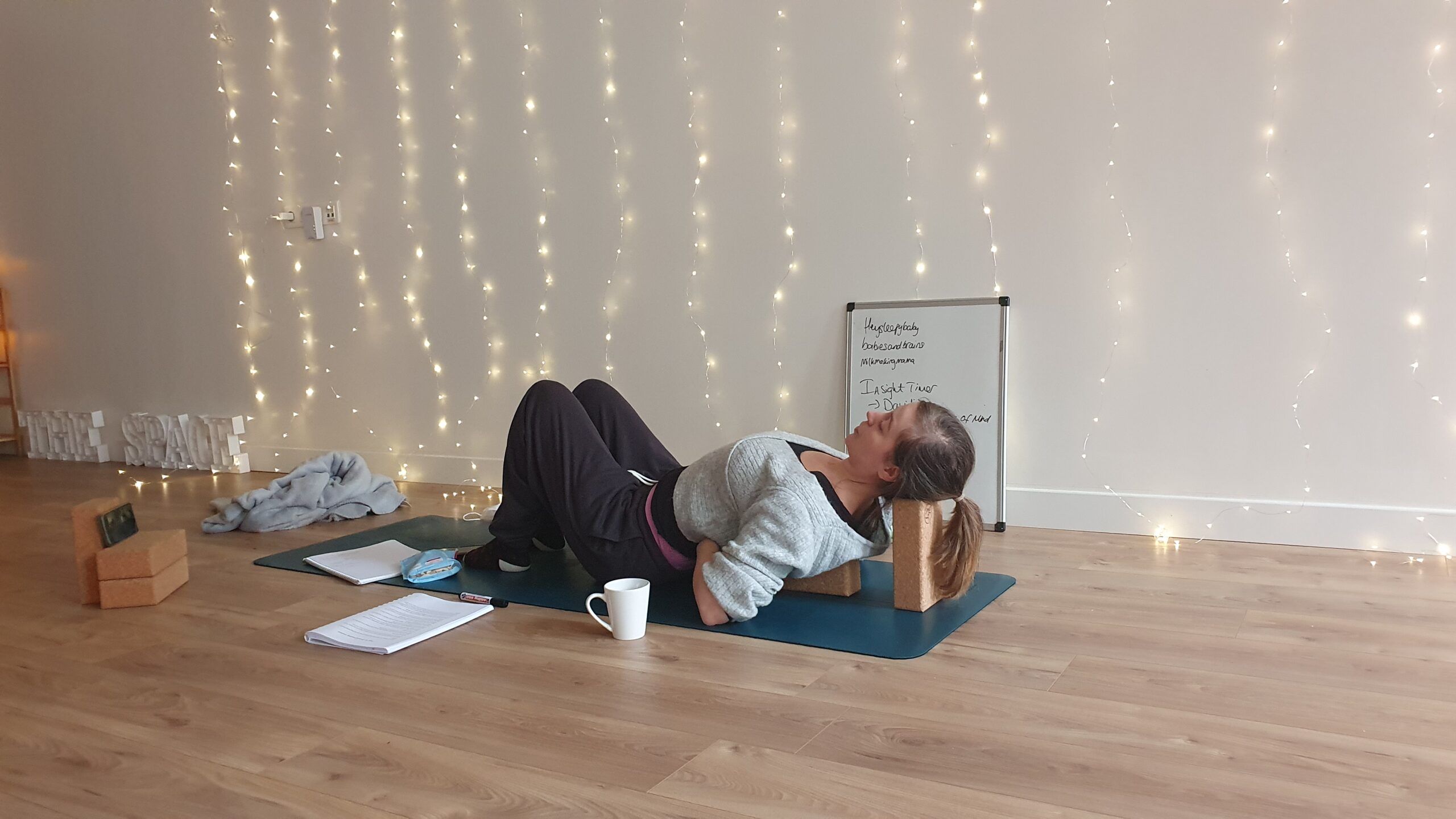
BETWEEN TRAINING WEEKENDS
What happens between modules ?
The training continues between our weekends together, but the workload is designed to be manageable alongside everyday life.
Allow approximately 3–4 hours per month for personal study and preparation. This might include reviewing course material, practicing, preparing a class plan or working on something we’ve explored during the previous module.
You’ll also be asked to observe two classes per month at The Space. These observations give you the opportunity to watch experienced teachers in a real class environment and begin noticing things differently — how a class is structured, how instructions are given, how teachers respond to different students and how the room is managed.
THE TRAINING IN PRACTICE
What does the training actually look like?
Training weekends generally run from 9:00–18:00, although we often finish around 17:30. Each day moves between your own practice, theory, discussion and practical teaching, so you’re not spending an entire day sitting and taking notes. This is an interactive course.
THE TRAINING IN PRACTICE
A typical day
9:00–10:30
Yoga practice
10:30–10:45
Break
10:45–12:15
Theory and/or teaching practice
12:15–13:30
Lunch break
13:30–15:30
Theory and/or teaching practice
15:30–15:45
Break
15:45–17:30/18:00
Asana Lab and/or teaching practice
The exact rhythm changes depending on the subjects we’re exploring that weekend — this is an example of a typical training day rather than a fixed timetable.
YOUR TRAINING TEAM
Learn from teachers with different areas of experience
The training is led by Louise alongside a team of bilingual teachers who each bring their own experience and areas of study to the course. All of our trainers speak both English and French, allowing questions, discussion and individual support to move naturally between the two languages throughout the training.
Rather than having one person teach every subject, you’ll learn from people whose work spans pedagogy, anatomy and movement, philosophy, alignment and teaching practice — each bringing their own perspective and experience to what we explore together.
LOUISE CUTLER
LEAD TRAINER · PEDAGOGY & PRACTICE
Teaching yoga since 2013 and training teachers since 2018, Louise leads the course with a particular focus on pedagogy, sequencing, practice and helping each trainee develop an authentic and confident way of teaching.
VICTORIA SOULIER
YOGA PHILOSOPHY
Victoria guides the philosophy modules, exploring yoga’s history, foundational texts and ideas. She returns to India for two months each year to continue her own study, bringing this ongoing learning into the training.
CLEMENCE REBUZZI
ANATOMY & MOVEMENT
A qualified physical therapist, Clémence teaches anatomy and movement, bringing her clinical understanding of the body into the training and helping trainees connect anatomy with movement, observation and practical teaching.
ROMAIN DUGUET
TEACHING PRACTICE · ALIGNMENT & INVERSIONS
Teaching yoga since 2019, Romain focuses on practical teaching skills, alignment and inversions. His sessions give trainees time to explore postures in detail, practice teaching and build confidence through experience and feedback.
PAYMENT OPTIONS
Choose the rhythm that works for you
The full training fee is €2,350, with a €500 deposit required to confirm your place. The deposit forms part of the total training fee — it is not an additional charge.
You can then choose how you would like to pay the remaining balance.
Pay in full
After the €500 deposit has secured your place, the remaining €1,850 is paid in one payment during the first month of the training.
If you prefer, you can also pay the full €2,350 when you register.
Pay in instalments
You can spread the remaining balance across the duration of the training, choosing a rhythm that works for you — for example, two or three payments, or monthly payments.
There is no additional fee for paying in instalments. Payments are not collected automatically by The Space and we don’t send monthly payment reminders, so you’ll need to arrange your own recurring bank transfer and keep track of your payment schedule.
The full training fee must be paid before the final month of the course. Trainees whose balance has not been paid in full will not be able to take part in the final assessment.
Normandy immersion
Accommodation and meals during the residential week at The Retreat Space are an additional €485.
This covers your accommodation and meals during the immersion. Transport to and from The Retreat Space is not included.
Early Bird — €2,100
For registrations completed by 15 June 2026, the training fee is reduced from €2,350 to €2,100.
The €485 Normandy accommodation and meals fee remains additional.
WHAT’S INCLUDED
Everything you need throughout the training
Your training fee includes the teaching, resources and ongoing support you’ll need throughout the course — both during our training weekends and in the months between them.
200 hours of training
Training in Paris and during our residential immersion in Normandy.
Teaching practice from the beginning
Regular opportunities to practice teaching throughout the course, rather than waiting until the final months to begin.
Training manual & digital resources
Your comprehensive The Space Academy training manual, alongside digital resources and course materials available between modules.
Studio access for teaching practice
The opportunity to use the studio outside training hours to practice teaching with fellow trainees, friends or family.
Additional specialist modules
Introductions to Yin Yoga and pre & postnatal yoga, alongside practical guidance on building your work as a yoga teacher.
Opportunities after certification
The possibility of gaining experience teaching real classes at The Space after completing your training.
50% off all classes at The Space
Throughout the training, you’ll have access to 50% off classes at The Space, giving you more opportunities to practice, experience different teachers and spend time in the studio between training weekends.
Individual mentoring
Your own mentor throughout the training, with someone to turn to as questions arise and your teaching develops.
Observation of real classes
Regular observation of classes at The Space, giving you the opportunity to see different teachers, approaches and real group dynamics.
Feedback & ongoing support
Individual and group feedback throughout the course, alongside your cohort WhatsApp group and live Q&A sessions.
Assessment & certification
Your final assessment and 200-hour The Space Academy certificate following successful completion of the training requirements.
FREQUENTLY ASKED QUESTIONS
A few things you might still be wondering
We know that committing to a 200-hour training is a big decision, and there are usually plenty of practical questions along the way. Here you’ll find answers to some of the things we’re asked most often.
If there’s anything we haven’t covered, just get in touch — we’re always happy to talk it through with you.
Do I need to want to become a yoga teacher?
No. Some people join the training knowing that they want to teach, while others come primarily to deepen their own practice and understanding of yoga. You’ll complete the same training and teaching practice either way, but there is no obligation to teach afterwards.
How experienced do I need to be?
You don’t need an advanced practice or to be able to perform particular postures. We ask that you have a regular yoga practice and some experience of Vinyasa before beginning the course. If you’re unsure whether you have enough experience, get in touch and we can talk it through together.
What language is the training taught in?
The training is taught primarily in English, and all of our trainers are bilingual. Questions, discussion and individual support can move naturally between English and French, so you’re welcome to express yourself in whichever language feels most comfortable. Teaching practice, homework and exams can all be done in either language.
Do I need to attend every training weekend?
Because this is a 200-hour certification, attendance is important. If you know in advance that you cannot attend one of the dates, contact us before registering so we can discuss what may be possible.
What happens if I miss part of the training?
If an absence is unavoidable, we’ll look at the content missed and what needs to be completed or made up. The solution will depend on the module and number of hours missed; missed training hours cannot simply be counted as completed.
Do I need to complete work between the training weekends?
Yes, but the workload is designed to be manageable alongside work and everyday life. Allow approximately 3–4 hours per month for personal study and preparation, alongside observation of two classes per month at The Space.
Is the Normandy immersion compulsory?
Yes. The residential week forms part of the 200-hour program and is an important part of both the training and the experience of the course. Accommodation and meals are an additional €485.
How do we get to The Retreat Space?
Transport to Normandy is not included in the course fee. The Retreat Space can be reached by car or by train from Paris Montparnasse to Vire, with the centre approximately 15 minutes from the station. We’ll share practical travel information with the group before the immersion.
What is the accommodation like in Normandy?
Accommodation is shared, with individual beds in beautiful, comfortable rooms at The Retreat Space. The €485 residential fee includes your accommodation and meals throughout the immersion.
What kind of food is provided during the immersion?
Meals are vegetarian and home-cooked on site using fresh ingredients, with an emphasis on seasonal, local and predominantly organic produce.
Can I pay for the training in instalments?
Yes. After your €500 deposit, you can choose to pay the remaining balance in two or three payments or spread it monthly across the training. You are responsible for arranging and keeping track of your own bank transfers, and the full balance must be paid before the final assessment.
What happens if I don’t pass my final assessment?
Not passing the first time doesn’t mean the end of your training. You’ll receive individual feedback from Louise, along with specific homework based on the areas that still need more practice. After around 3–4 months, you can retake the assessment free of charge.
Our goal is for everyone to succeed, so if you’re not quite there the first time, we’ll continue working with you. If you don’t pass on your second attempt, you’ll again receive feedback and homework before another opportunity to retake the assessment. From the third assessment onwards, a €250 assessment fee applies.
What happens after I graduate?
On successful completion of the training requirements and final assessment, you’ll receive your 200-hour certificate from The Space Academy. There may also be opportunities to gain experience teaching real classes at The Space after certification.
200-HOUR VINYASA TEACHER TRAINING
Are you ready to take the next step?
You don’t need to have everything figured out before you begin. You might already know that you want to teach, or you might simply feel ready to spend more time learning, practicing and exploring where yoga can take you.
Over the months we spend together, there will be time to ask questions, try things, get things wrong, try again and gradually find your own way of teaching.
Have a question before applying? You can use the same form to get in touch — we’re happy to talk things through with you.
